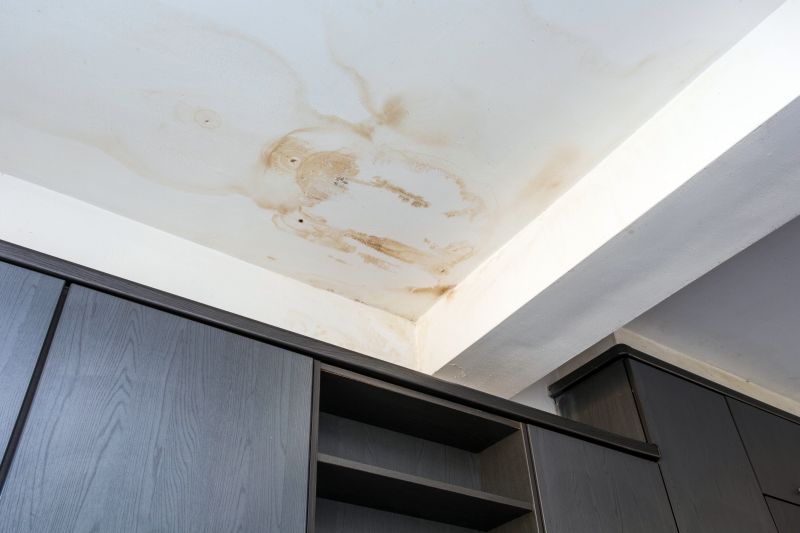
Leaking Ceiling Repair in Houston, TX
Leaking ceiling repair services address issues caused by water intrusion that results in visible damage or staining on interior ceilings. This service covers a range of projects, including fixing leaks from plumbing fixtures, roof leaks, or HVAC systems, as well as repairing water-damaged drywall, plaster, or ceiling tiles. Property owners typically seek this service when they notice water spots, mold growth, sagging ceilings, or paint peeling, aiming to restore the ceiling’s appearance and prevent further damage.
Before requesting leaking ceiling repairs, homeowners often want to understand the potential causes of the leak and the extent of the damage. It’s useful to know if the repair involves only surface restoration or if underlying issues, such as roof leaks or plumbing problems, need to be addressed first. Clear communication about the scope of work and any necessary inspections can help ensure the repair process effectively restores the ceiling and prevents future leaks.
Many property owners in Houston, TX look into Leaking Ceiling Repair for repairs, replacements, upgrades, and appearance-related improvements.

Signs Of Ceiling Leaks
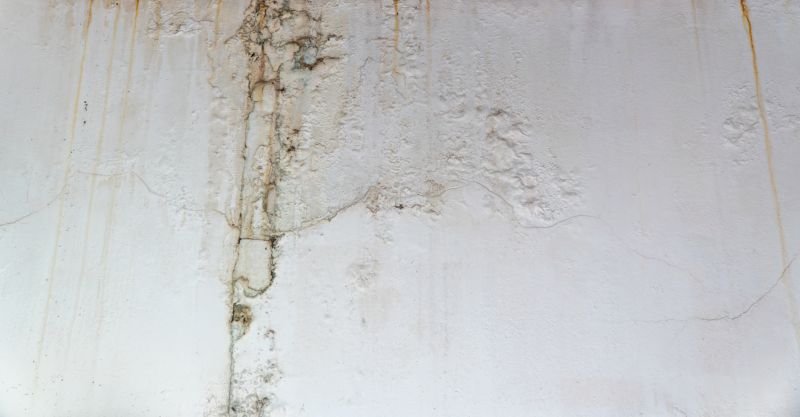
Water stains, peeling paint, and sagging drywall often indicate a leaking ceiling.
Common Causes Of Leaks
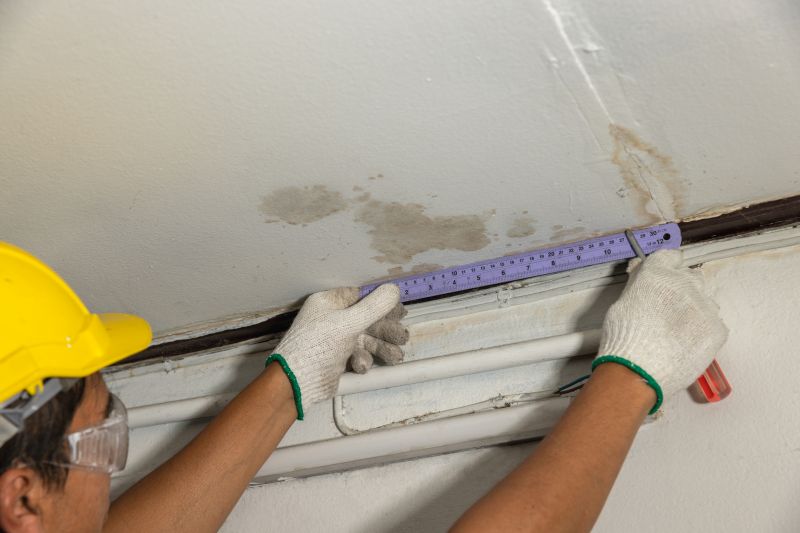
Roof damage, plumbing issues, and hvac condensation are frequent sources of ceiling leaks in houston homes.

Repair And Prevention Tips
Prompt repairs and regular inspections help prevent further damage and maintain ceiling integrity.
Leaking Ceiling Repair in Houston, TX

Leaking ceiling repair services address issues caused by water intrusion that results in visible damage or staining on interior ceilings. This service covers a range of projects, including fixing leaks from plumbing fixtures, roof leaks, or HVAC systems, as well as repairing water-damaged drywall, plaster, or ceiling tiles. Property owners typically seek this service when they notice water spots, mold growth, sagging ceilings, or paint peeling, aiming to restore the ceiling’s appearance and prevent further damage.
Before requesting leaking ceiling repairs, homeowners often want to understand the potential causes of the leak and the extent of the damage. It’s useful to know if the repair involves only surface restoration or if underlying issues, such as roof leaks or plumbing problems, need to be addressed first. Clear communication about the scope of work and any necessary inspections can help ensure the repair process effectively restores the ceiling and prevents future leaks.
Many property owners in Houston, TX look into Leaking Ceiling Repair for repairs, replacements, upgrades, and appearance-related improvements.
Common Leaking Ceiling Repair Jobs
Ceiling Leak Repairs - addressing water intrusion to prevent further damage and mold growth.
Roof Leak Repairs - fixing leaks at the roof level to stop water from seeping into the ceiling.
Pipe Leak Repairs - repairing leaking or burst pipes that cause ceiling water damage.
Ceiling Restoration - restoring or replacing damaged ceiling materials after leaks are fixed.
Water Damage Drying - removing moisture from ceilings and affected areas to prevent mold.
Leak Prevention Solutions - implementing measures to reduce future ceiling leaks and water intrusion.
Leaking Ceiling Repair Questions
What causes ceiling leaks? Ceiling leaks are often caused by roof damage, plumbing issues, or HVAC condensation that allows water to seep into the ceiling materials.
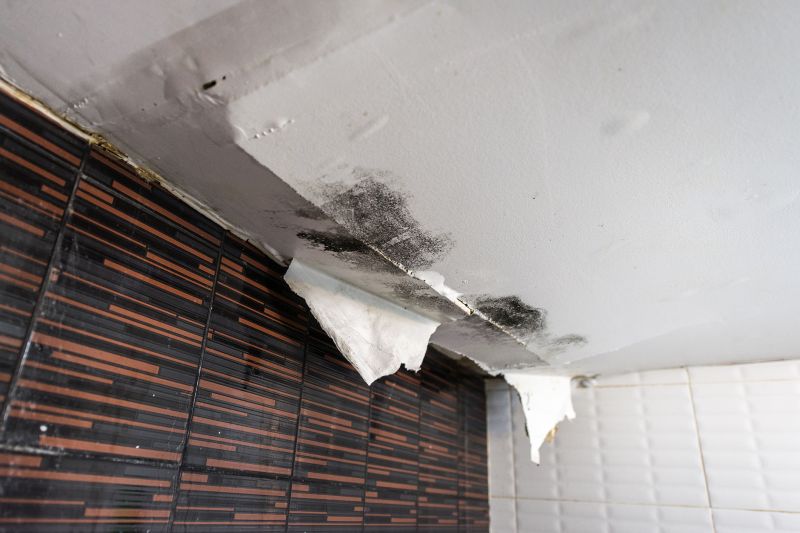
How can I tell if my ceiling is leaking? Signs include water stains, discoloration, bubbling paint, or sagging drywall, which indicate water intrusion.
Is ceiling repair necessary after a leak? Yes, repairing the ceiling helps prevent further damage, mold growth, and structural issues caused by water exposure.
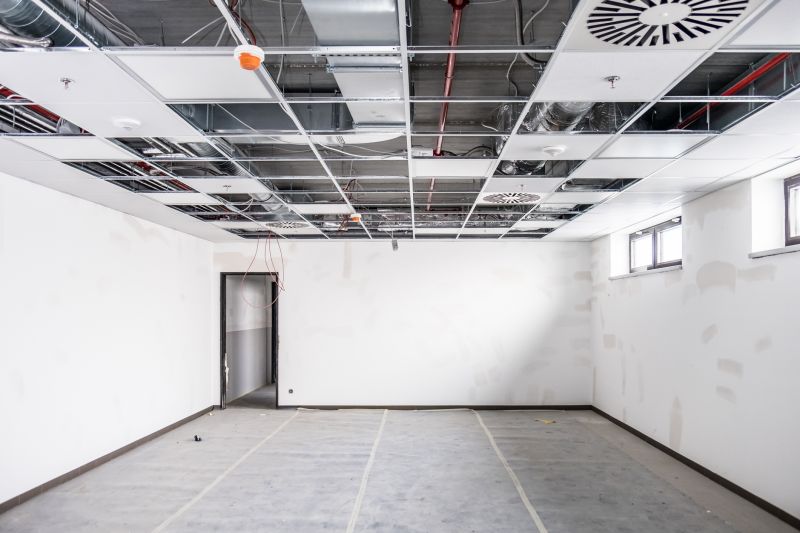
What types of ceiling materials are repaired? Common materials include drywall, plaster, and drop ceilings, each requiring specific repair techniques to restore their integrity.
Request Leaking Ceiling Repair in Houston, TX
Use the quote form on this page to share the basics of your project and request more information for the type of work you need.